
Let’s be honest. The world feels like it’s on fire. Politically tense. Financially unstable. Chronically online. Chronically outraged. Burned out. Overstimulated. Exhausted. We’re doomscrolling in bed. We’re arguing in comment sections. We’re working more and resting less. We’re bracing constantly.
And here’s the side effect no one talks about: When you live in survival mode long enough, you forget how to feel good.
That’s not accidental. Systems that thrive on fear, urgency, comparison, and productivity do not benefit from you being embodied, rested, connected, and turned on. So let’s talk about something that sounds soft but is actually subversive: Pleasure.
Chronic stress keeps you reactive, distracted, consuming, performing, and disconnected from your body. Pleasure requires the opposite. It asks you to slow down. To be present. To feel sensation. To connect with yourself or someone else. To choose joy on purpose.
When your nervous system is regulated, you think more clearly. You connect more deeply. You tolerate discomfort without spiraling. You make decisions instead of reacting impulsively. A regulated, embodied person is harder to manipulate (and that’s not woo woo, that’s neuroscience)
Let’s clarify something important. Pleasure as resistance is not pretending everything is fine. It’s not bypassing injustice. It’s not disengaging from politics. It’s not toxic positivity. It’s refusing to let stress consume your entire internal landscape. It’s saying, “You don’t get to take my body with you.”
This isn’t just about having more sex. (Though we’ll get there.) Here are grounded, real-life examples of pleasure as resistance.
Closing the news app after 15 minutes instead of two hours. Choosing your mental health over algorithmic outrage. Deciding that your nervous system matters more than being constantly updated. That’s a boundary. That’s regulation.
Dancing in your kitchen. Stretching because it feels good. Walking outside without tracking steps or burning calories. Reclaiming movement from productivity culture is powerful.
Not to achieve orgasm. Not to hit a goal. But to reconnect to sensation. Touching yourself slowly. Exploring what actually feels good. Letting pleasure be curious instead of outcome-driven. That’s you coming home to your body.
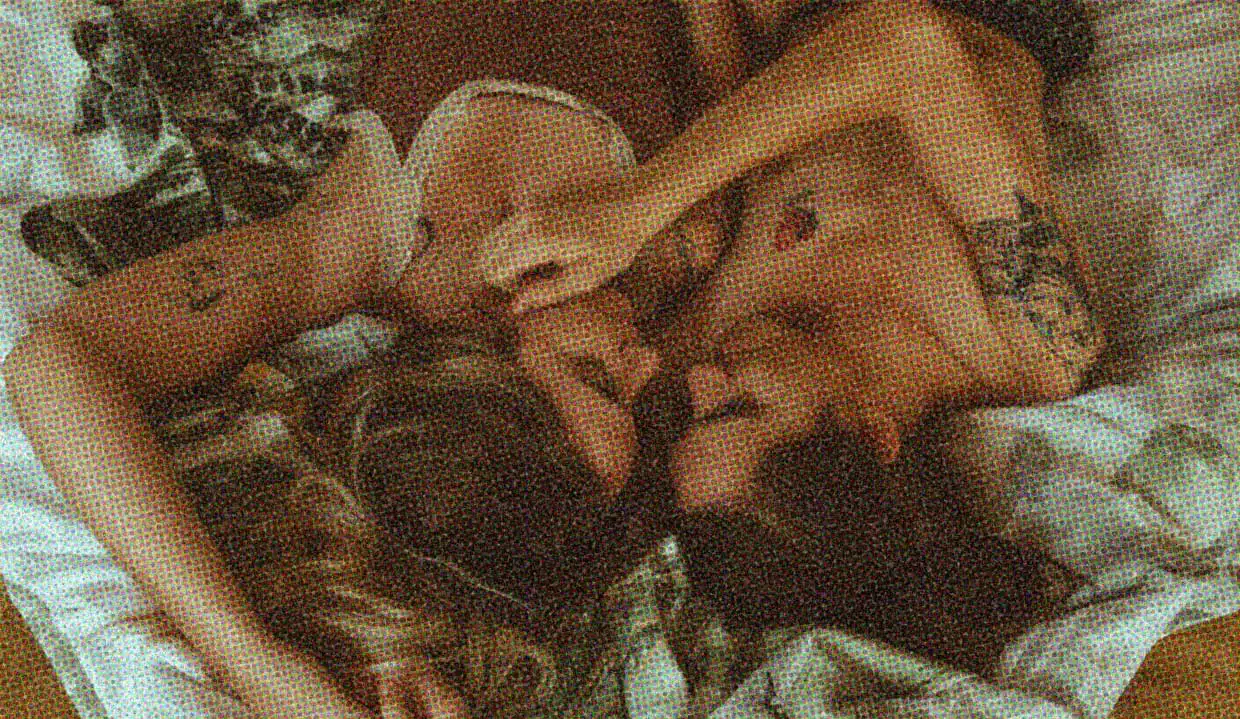
Making out like teenagers. Extended eye contact. Skin-on-skin cuddling. Laughing naked. Pleasure is connection, not just climax.
Savoring your morning coffee instead of chugging it. Putting on lotion slowly after a shower. Wearing something that makes you feel hot just because. Taking five deep breaths before responding to a triggering text. Pleasure can be tiny. It still counts.
When everyone is anxious, disconnected, and burned out, dating gets weird. People ghost more. Conflict escalates faster. Sex becomes either hyper-performative or completely avoidant.
Pleasure as resistance means dating from regulation instead of desperation. It means not chasing people who activate your nervous system in unhealthy ways. It means choosing partners who feel safe in your body. It means slowing down enough to notice chemistry versus chaos.
Hot take: If your nervous system is constantly on edge around someone, that’s stress, not spark
There are forces right now that benefit from you being exhausted, angry, divided, disconnected, and numb. Pleasure reconnects you to your body, your agency, your softness, your desire, your humanity. And when you are connected to those things, you are harder to control.
That’s why pleasure is not frivolous. It’s grounding. It’s regulating. It’s connective. It’s clarifying. It’s powerful.
So no, lighting a candle, having slow sex, dancing in your underwear, or taking a social media break won’t fix the world. But it will keep the world from hollowing you out. And right now? That matters.
.webp)
Read more
Desires
What's in your bedroom? How My Bedroom™ works on HUD App
The awkward “So, what are you into?” chat has a shortcut. My Bedroom™ lets you share your desires your way, and keep them private until you've matched.