
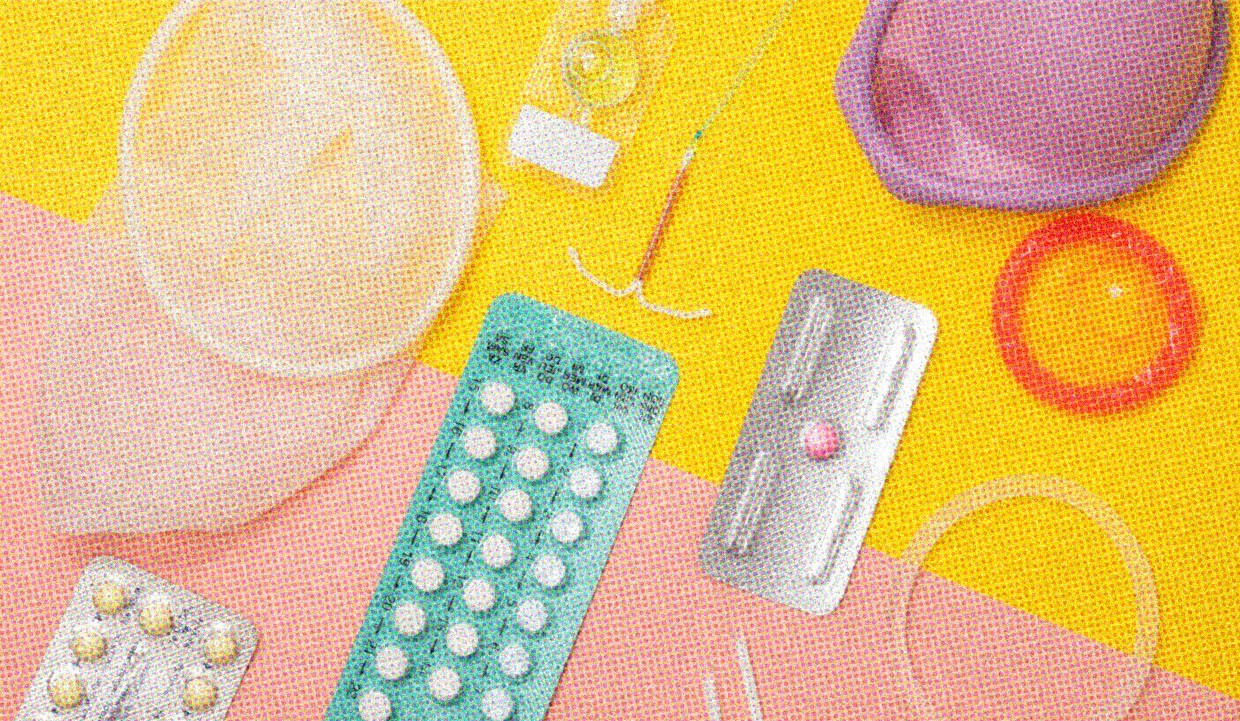

Let’s be real: Talking about contraception isn’t always sexy, but it’s definitely empowering. Whether you're trying to avoid pregnancy, regulate your cycle, or just want to feel more confident in your hookups, the right birth control method can help you get there.
Here’s a rundown of the most common types of contraception, how they work, and what to think about when choosing the one that’s right for you.
If you want something you can "set and forget", these are your go-tos.
Hormonal IUDs (like Mirena or Kyleena) are small T-shaped devices inserted into the uterus that release a steady dose of hormones to prevent pregnancy. They last 3-8 years and are over 99% effective.
Copper IUDs are hormone-free and can last up to 10 years. Also 99% effective.
The implant (like Nexplanon) is a tiny rod placed in your arm that releases hormones and lasts about 3 years. Also highly effective.
All of these options require a doctor’s visit to insert, but once they’re in, you’re covered.
These methods require more routine, but they’re popular for a reason.
Bonus: some of these can help with cramps, acne, and PMS. But they do require a bit of consistency.
<subhead> Barrier methods: protect against pregnancy and STIs
These methods physically block sperm from reaching an egg, and are the only ones that protect against STIs.
Condoms (external/male) are easy, cheap, and essential for casual hookups. Always a good idea.
Internal condoms, also called "female condoms", are worn inside the vagina. A bit less common, but still effective.
Diaphragms and cervical caps are less used these days but still an option. Must be used with spermicide.
Best practice? Pair a barrier method with another form of contraception for extra protection and peace of mind.
Life happens. If you’ve had unprotected sex or your method fails, emergency contraception can help.
Emergency contraceptive pills (aka the morning-after pill) work best within 72 hours, but some options work up to 5 days later.
Copper IUD: If you get one inserted within 5 days of unprotected sex, it’s the most effective form of emergency contraception.
Pro tip: Don’t rely on EC as your main method, but it’s good to know your backup plan.
If kids are really not part of your plan (now or ever), sterilisation might be something to think about later down the line.
These are permanent, so definitely not for casual contraception. But it’s helpful to know your options.
Fertility awareness (aka natural family planning) involves tracking your cycle, temperature, and cervical mucus to predict your fertile days. It’s hormone-free but requires very consistent tracking and isn’t the most reliable on its own, especially if your cycle is irregular.
Let’s talk about what’s not on the reliable contraception list.
The pull-out method (aka withdrawal) is often mentioned as a “natural” option, but it’s risky. Pre-ejaculate can contain sperm, and timing it perfectly every time is, frankly, unrealistic, especially in the heat of the moment. Typical use effectiveness? Around 78%. That means 1 in 5 people relying on it will get pregnant in a year.
"Just avoiding sex when I feel fertile" also isn’t a solid plan unless you’re using a well-informed fertility awareness method with proper tracking tools and guidance. Otherwise, your body’s cues can be unreliable, and apps alone aren’t foolproof.
And no, douching or showering afterwards doesn’t work either. Neither does jumping up and down, drinking a lot of water, or any other myths you might’ve heard.
If you’re not ready for pregnancy, use a medically recognised method of contraception, and if STI protection is also a priority, condoms are your best friend.
Most contraception doesn’t protect against sexually transmitted infections. That’s where condoms come in. If you’re casually dating or have multiple partners, make them part of your toolkit.
Here are a few questions to ask yourself:
The bottom line? You’re allowed to choose what works for your lifestyle, your relationships, and your body, and it’s okay if that changes over time.
Always talk to a healthcare provider before starting any new method. They can walk you through your options and help you weigh up the pros and cons. Whatever stage of your dating life you’re in, knowing your options means you get to call the shots. For more info, check out the CDC’s contraception overview.
Long-acting reversible contraceptives (LARCs) — hormonal and copper IUDs and the implant — are all over 99% effective and require no daily effort. They're inserted by a doctor and provide years of protection without relying on user consistency.
Only barrier methods — external condoms, internal condoms, and dental dams. Hormonal contraceptives, IUDs, and implants provide no protection against STIs. For casual hookups, pairing a barrier method with another form of contraception is the safest approach.
How often you're comfortable managing it (daily pill vs. set-and-forget LARC), whether hormonal options suit you medically, whether you need STI protection, and how long you want it to last. A doctor or sexual health clinic will help match your options to your specific circumstances.
Read more
Desires
Fetish 101: DIY porn
DIY porn puts you and your partner in full creative control. Here's what it involves, how to stay safe, and how to make your first attempt.